Children who enjoy reading tend to enjoy learning. The elementary years are a precious time to build that love, because habits formed now shape confidence for life. This guide shares simple, practical ideas that teachers and families can use to make reading a daily pleasure.
Make Reading Part of Every Day
A short, regular routine works better than occasional long sessions. Ten happy minutes each day build stronger habits than an hour of pressure once a week. Choose a cosy time such as bedtime.
Let Children Choose Their Books
Choice creates ownership. Allow pupils to pick stories, comics, facts or poems that interest them. Motivated readers practise more, and practice builds fluency.
Read Aloud Together
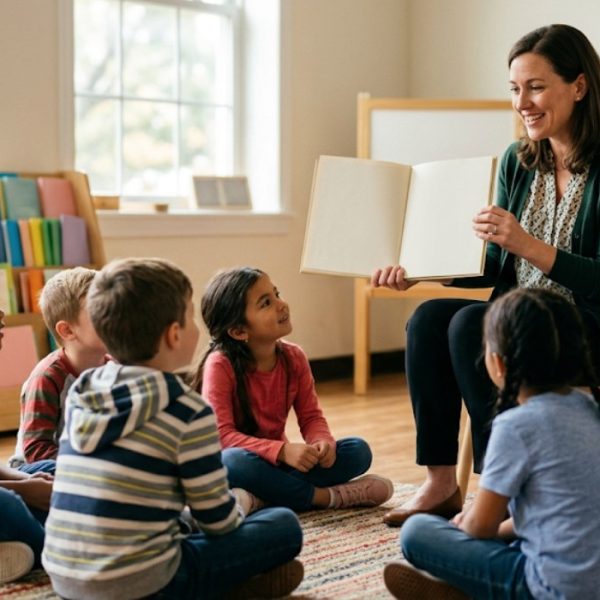
Listening to a fluent reader teaches rhythm, vocabulary and expression. Use different voices and pause to wonder what happens next. Read aloud even when children can read alone.
Create a Welcoming Reading Space
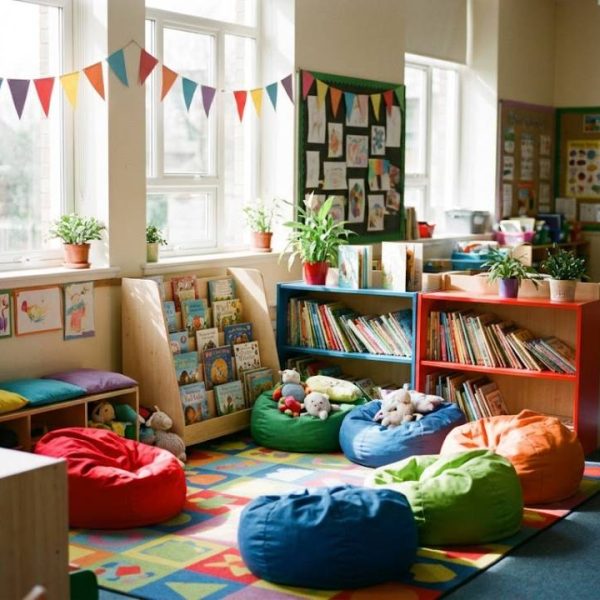
Soft cushions, good light and low shelves invite children to linger. A small corner at home or in class tells pupils that reading is valued and comfortable.
Visit the Library Often
Libraries offer free books, story sessions and friendly staff. A regular visit gives children variety and teaches them how to borrow and care for books.
Talk About Stories
Ask open questions such as what do you think will happen or how would you feel. Conversation deepens understanding and shows that ideas matter more than quick answers.
Connect Books to Real Life
If a story features the sea, visit a beach or watch a short video about it. Links to experience help children remember vocabulary and ideas.
Teach Phonics Patiently
Learning how letters and sounds fit together takes time. Use short, playful practice and celebrate progress. Strong decoding skills free children to focus on meaning.
Build Vocabulary Naturally
Introduce new words in context and use them in conversation. Word walls, games and drawing help children keep them. A rich vocabulary supports every subject.
Support Struggling Readers Kindly
Some children need extra time and different methods. Provide short sessions, praise effort and seek advice early. Patience protects confidence while skills develop.
Include Many Types of Text
Poems, recipes, signs, comics and information books all count as reading. Variety shows children that text is everywhere and useful for many purposes.
Welcome Families With Different Languages
Many pupils speak another language at home. Encourage reading in both languages and share notices clearly. For Dutch speaking families, dependable english to dutch translation supports communication with parents.
Stay Informed About Rights and Support
Schools and communities benefit from knowing the rules about helping language learners and families. A summary of the language access law update explains why clear communication is important.
Use Reading Games
Bingo, treasure hunts and story dice make practice fun. Short games keep attention high and give a break from formal tasks.
Celebrate Reading Achievements
Reading charts, certificates and class shout outs recognise effort. Keep rewards simple and focused on the joy of finishing a book rather than competition.
Invite Authors and Storytellers
Visitors bring books to life. Even a local grandparent sharing a favourite tale can inspire children and show how stories connect generations.
Use Technology Wisely
Audiobooks and reading apps can help, especially for reluctant readers. Balance screen time with printed books and shared reading to keep a healthy mix.
Link Writing and Reading
Encourage children to write short stories, diaries and letters. Writing reinforces spelling and understanding, and authors become more thoughtful readers.
Read Across the Curriculum
Maths puzzles, science facts and history stories all need reading skills. Teachers can highlight how reading supports every subject.
Partner With Families
Share simple tips and book lists. Invite parents to class reading events. When home and school work together, children get consistent messages about the value of reading.
Find Trusted Guidance
National education bodies share advice on early literacy. The US Department of Education publishes resources for families and teachers on reading and learning at home.
Model Reading Yourself
Children copy what adults do. Let them see you enjoy books, magazines or news. Talk about what you are reading and why you like it.
Be Patient With Progress
Children learn at different speeds. Celebrate each small gain and avoid comparing. Steady encouragement helps reading grow naturally.
Keep the Love of Reading Alive
As children grow, continue offering interesting books and conversations. A lifelong reader is one who always found reading pleasant, not stressful.
Let Children Retell Stories
Ask pupils to tell a story back in their own words, using pictures or puppets. Retelling strengthens memory, sequencing and confidence in speaking.
Keep a Class Book List
Record the titles the class has read together and let pupils add favourites. A growing list gives everyone a sense of shared achievement and ideas for what to read next.
Use Rhymes and Songs
Rhymes teach sounds and rhythm in a playful way. Young children love repeating familiar verses, and the repetition builds the foundations of fluent reading.
Final Thoughts
A love of reading is one of the best gifts we can give young learners. Choose one idea from this list, try it this week and enjoy the results. Happy readers become confident, curious students.